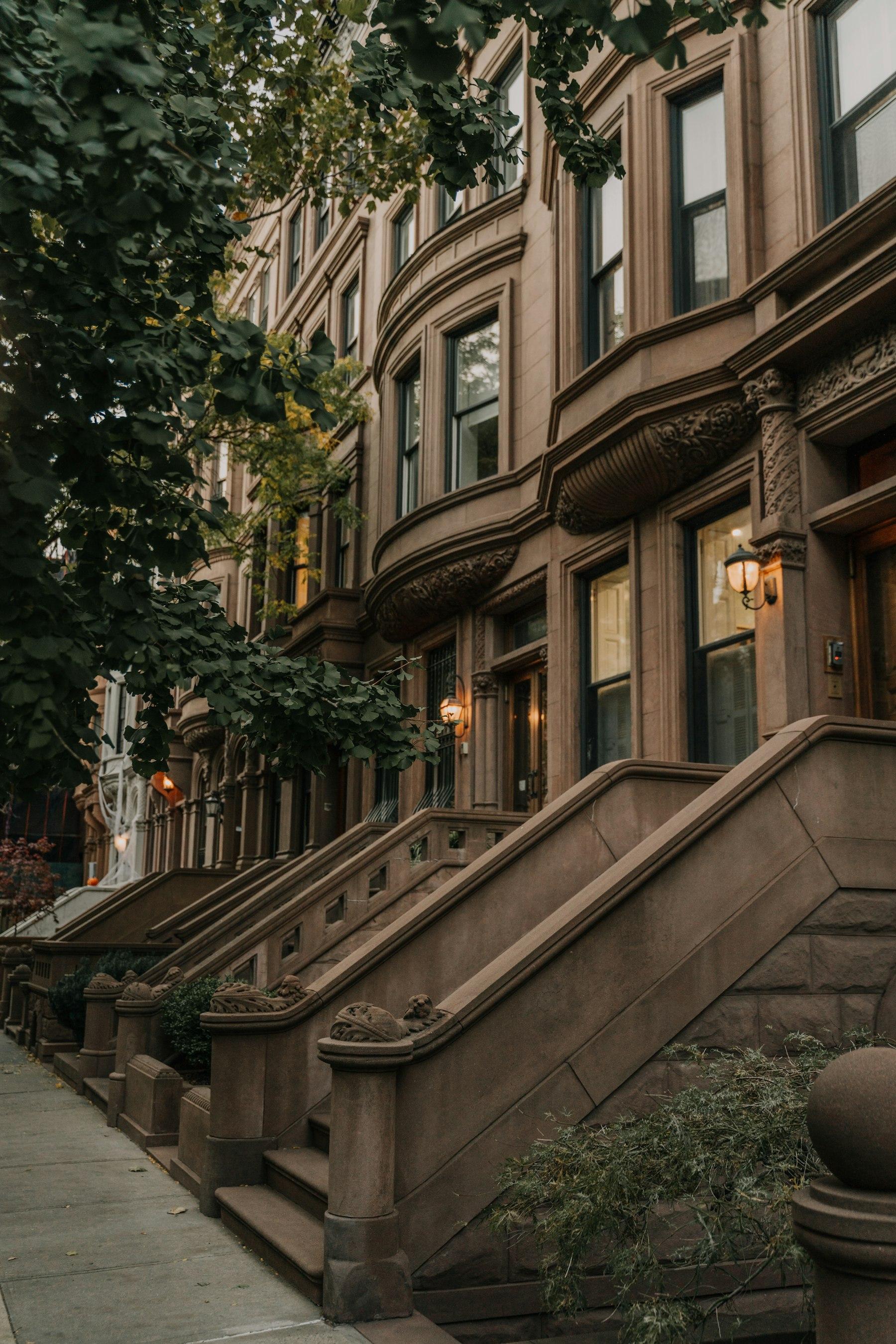
Where are the no-fee apartments on the Upper West Side?
Large management companies run many of the avenue buildings and list them directly, so a search of owners' own sites is worth doing alongside the listing portals. Brownstone units are more often listed by a landlord's agent, who under the FARE Act cannot bill you.
For the sites to search and what changed on each after June 2025, see where no-fee listings live.
What kind of apartments does the Upper West Side have?
The Upper West Side has three main kinds of rental housing, set out below, and each lists differently, so knowing which one you are looking at tells you who you will deal with, how the building is likely to be run and what to ask before applying.
- AvenuesPrewar elevator buildings on West End, Riverside, Broadway and Central Park West, many with doormen.
- Side streetsBrownstone and row-house blocks split into floor-through and studio apartments, usually walk-ups.
- Lincoln SquarePostwar and newer rental towers with on-site leasing offices.
Which trains serve the Upper West Side?
The 1, 2, 3, B and C trains stop in or at the edge of the Upper West Side. Before you apply, time the walk from the exact address to the station you would use every day, and check whether it is a local or an express stop.
123BC
What should you check before renting on the Upper West Side?
Check the building type, the walk to your train, the fee disclosure and, where it applies, whether the unit is rent-stabilized. These four answers decide most of what renting here will be like, and the landlord or agent should give all of them in writing before you pay anything.
- Ask whether the building is rent-stabilized; prewar buildings with six or more units often contain stabilized apartments.
- Walk-up floor: a fifth-floor brownstone unit is a daily climb.
- Read the fee disclosure on the listing and get it in writing before you apply.
- Check which trains are closest: the 1 runs local on Broadway, the B and C on Central Park West.
Can you find a rent-stabilized apartment on the Upper West Side?
Rent-stabilized apartments are most often found in buildings with six or more units built before 1974, according to the City of New York. Ask the agent directly, read the lease rider, and once you live there, request the unit's rent history from NYS Homes and Community Renewal.
How to read the lease rider and request a unit's history: rent-stabilized apartments in NYC.
What can a landlord charge you on the Upper West Side?
The same as anywhere in New York City: first month's rent, a security deposit of no more than one month, and a background and credit check fee of no more than $20. Since June 11, 2025, the landlord's broker cannot charge you, and every listing must disclose the fees a tenant pays.
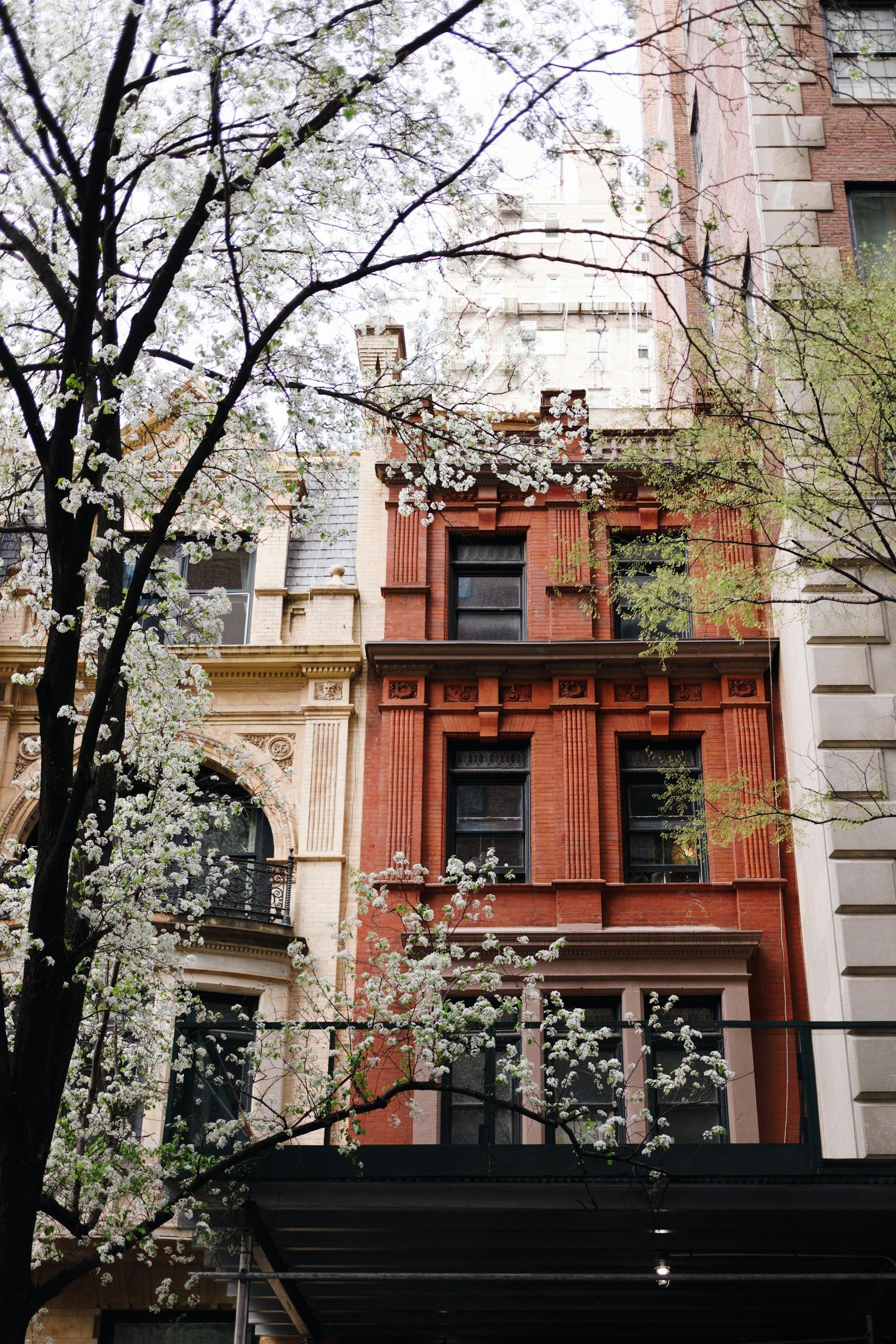
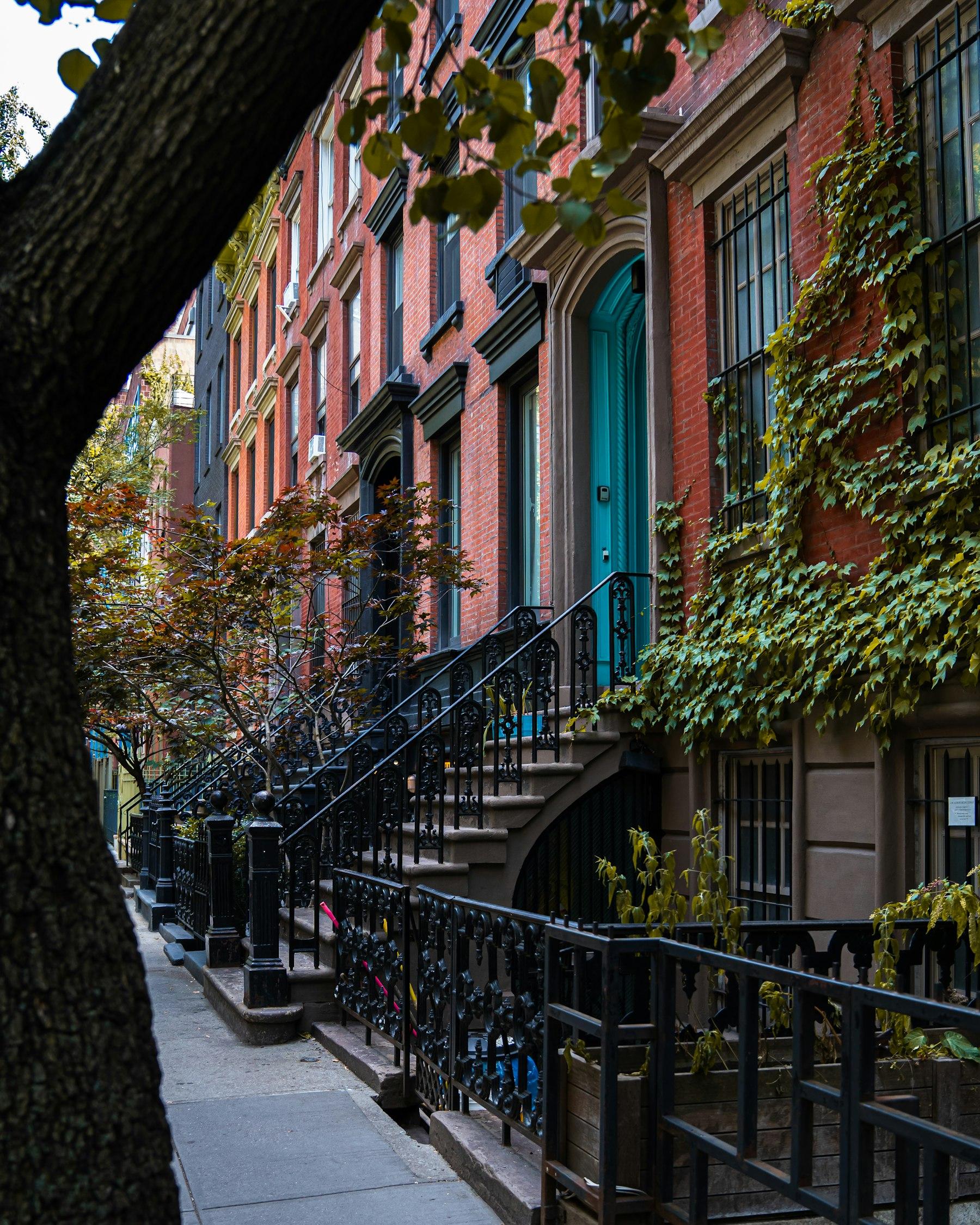
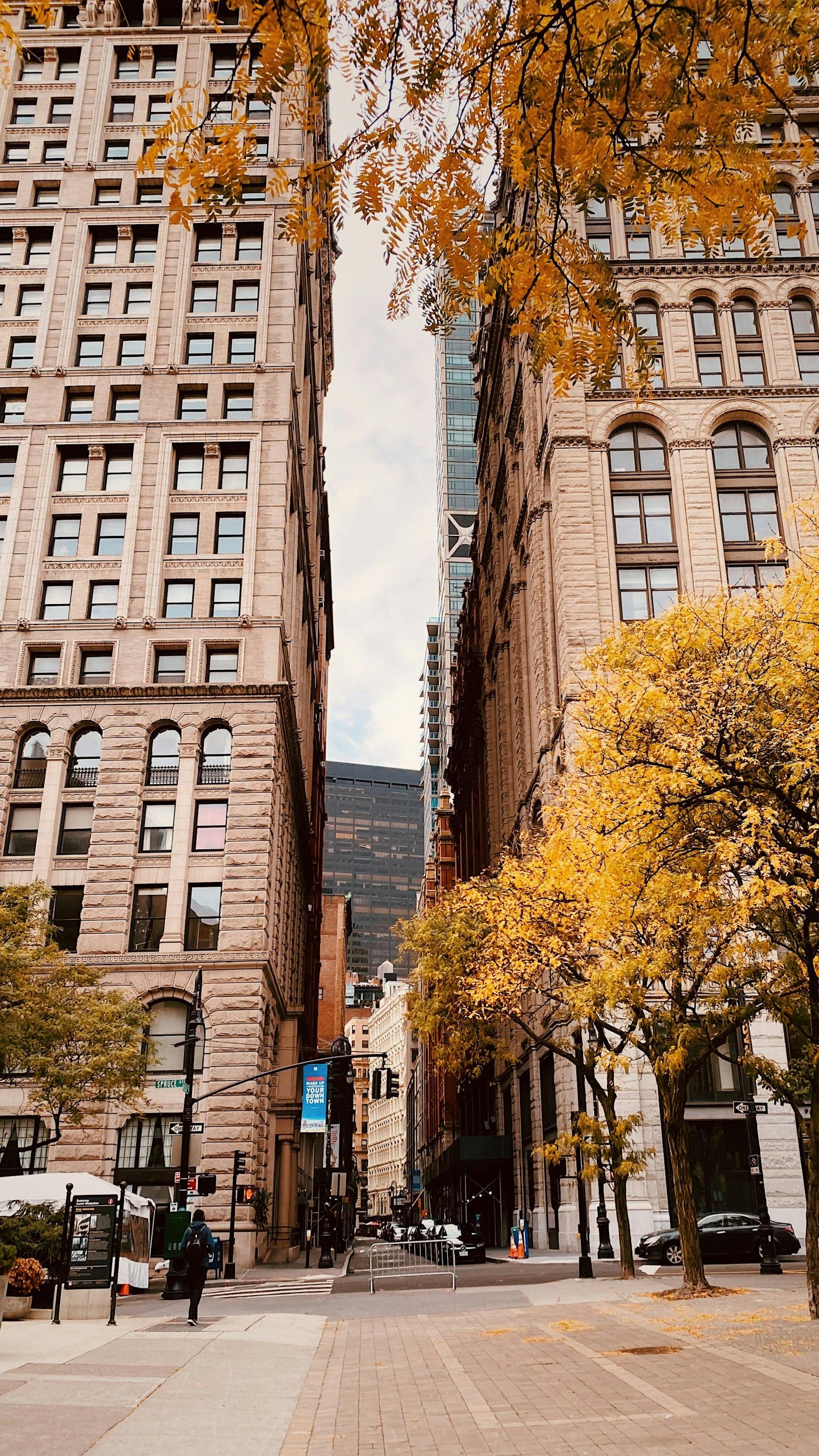
Which neighborhoods are near the Upper West Side?
Questions renters ask
Are there no-fee apartments on the Upper West Side?
Yes. Since June 11, 2025, a broker working for the landlord cannot charge you, so most Upper West Side listings should carry no tenant-paid broker fee. You only pay a broker you hire yourself.
Which trains serve the Upper West Side?
The 1, 2 and 3 run along Broadway and the B and C along Central Park West. The 1 makes local stops; the 2 and 3 are express at 72nd and 96th Streets.
Is the Upper West Side good for rent-stabilized apartments?
It has many prewar buildings with six or more units, the type of building where stabilized apartments are most often found. Ask about status before you sign and request the rent history after you move in.
Sources
Last reviewed . Each source shows the date it was published or checked.
- Fairness in Apartment Rental Expenses (FARE) Act: FAQNYC Department of Consumer and Worker Protection · updated June 2, 2026; checked November 26, 2026
- Real Property Law § 238-A (application, background check and late fees)New York State Senate · checked November 26, 2026
- General Obligations Law § 7-108 (security deposits)New York State Senate · checked November 26, 2026
- Rent StabilizationCity of New York, Mayor's Public Engagement Unit · checked November 26, 2026
- NYS Rent ConnectNYS Homes and Community Renewal · checked November 26, 2026
- NYC Housing Connect: rentalsNYC Department of Housing Preservation and Development · checked November 26, 2026