Where are the no-fee apartments in the East Village and Lower East Side?
New rental buildings here lease direct; walk-up landlords often use an agent. Either way, since the FARE Act a landlord's agent cannot charge you, and every listing has to disclose the fees a tenant pays.
For the sites to search and what changed on each after June 2025, see where no-fee listings live.
What kind of apartments does the East Village and Lower East Side have?
The East Village and Lower East Side has three main kinds of rental housing, set out below, and each lists differently, so knowing which one you are looking at tells you who you will deal with, how the building is likely to be run and what to ask before applying.
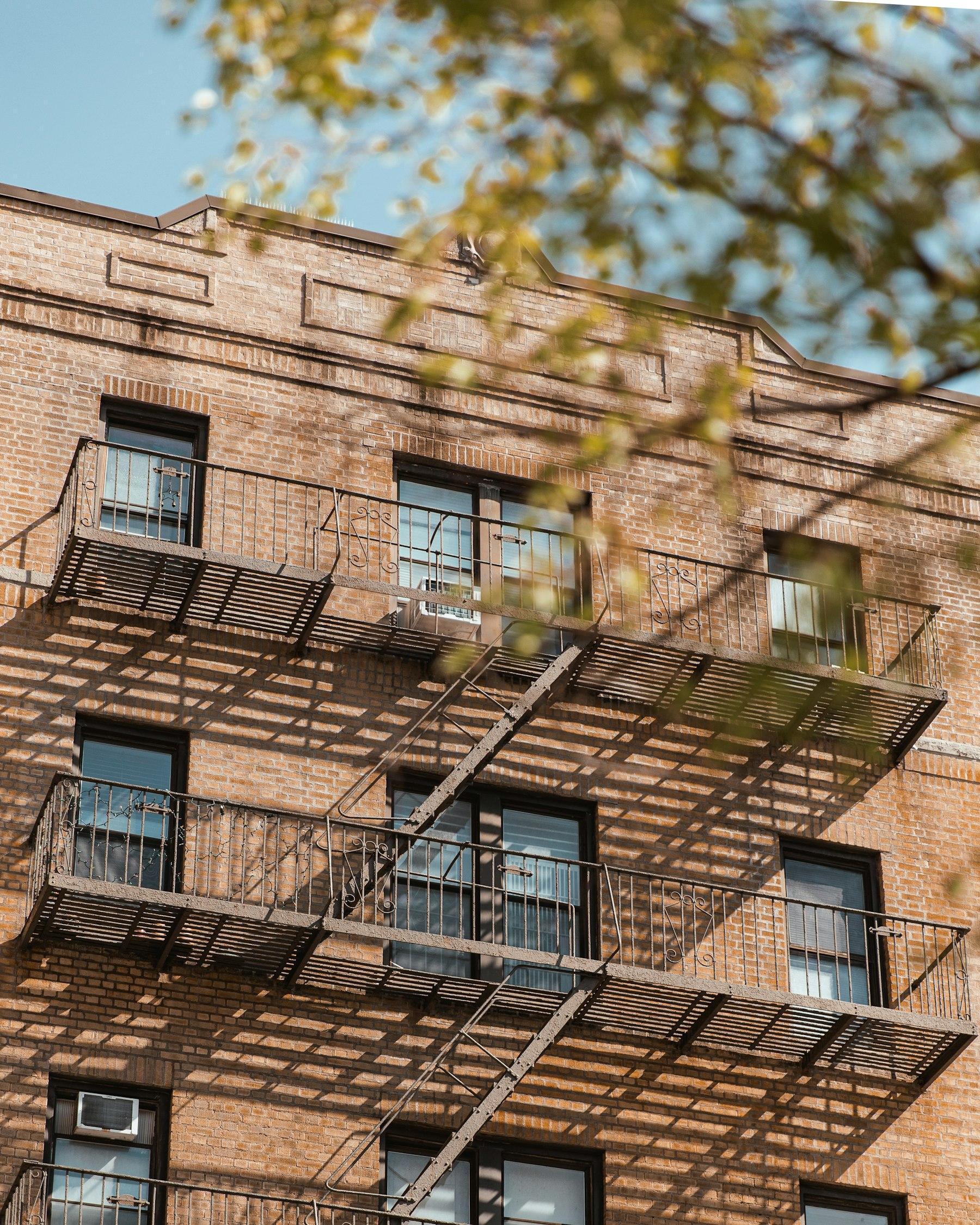
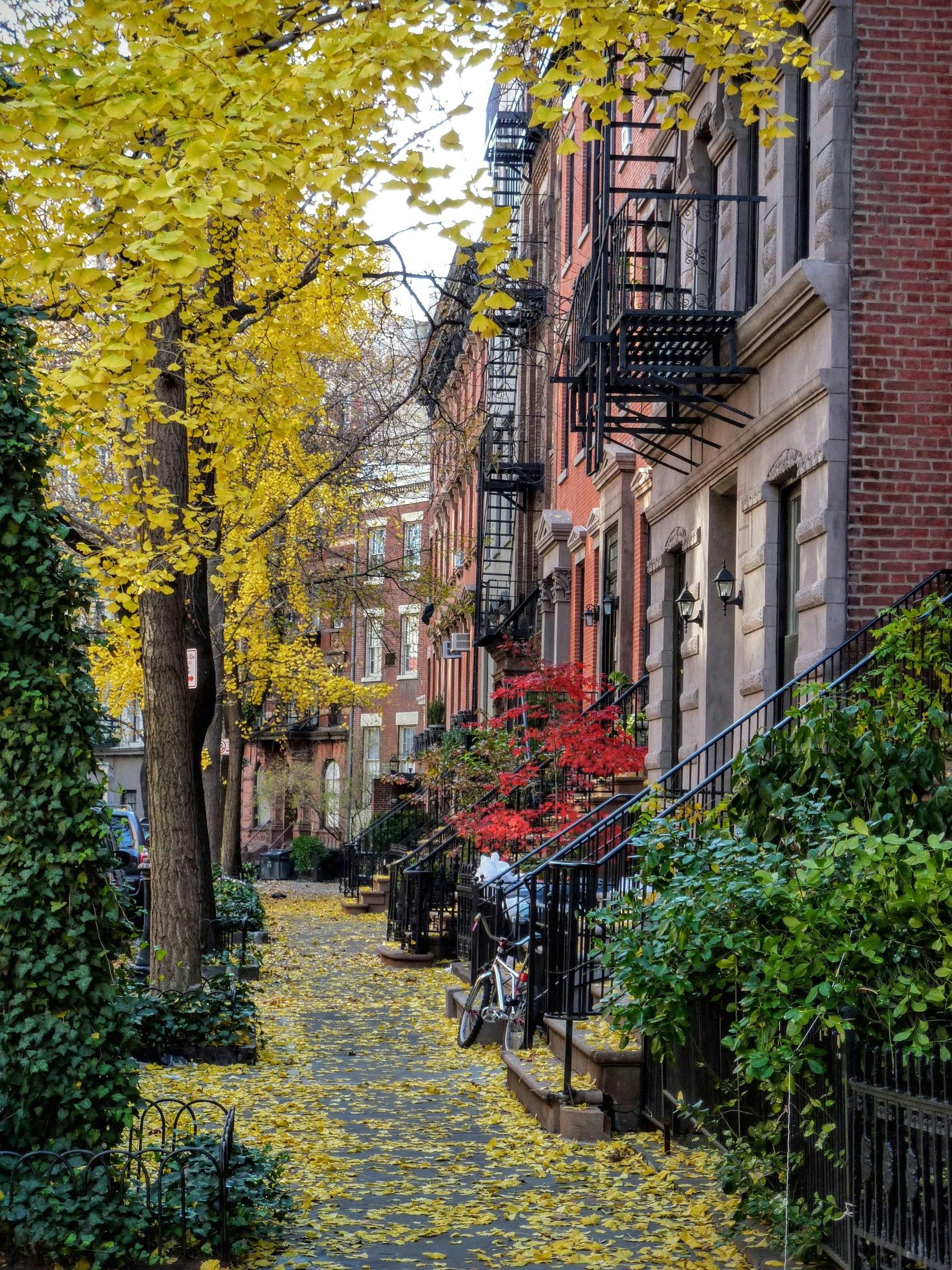
- Tenement walk-upsLate-19th and early-20th-century buildings with small, railroad-style or split apartments.
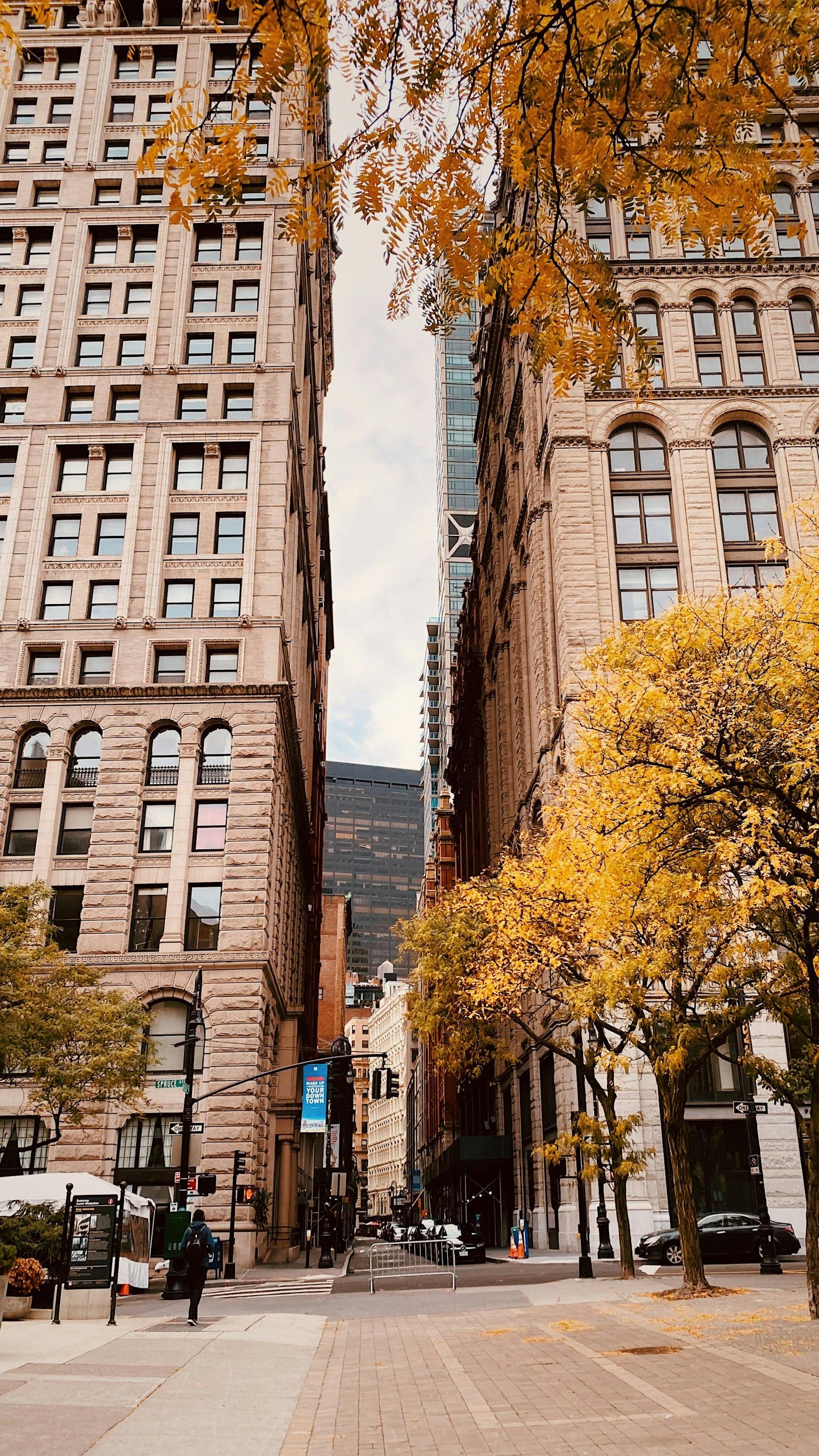
- New rentalsGlass and brick rental buildings near Houston, Delancey and Essex Streets, with leasing offices.
- Alphabet CityAvenues A to D: walk-ups and some larger postwar complexes, farther from the subway.
Which trains serve the East Village and Lower East Side?
The L, F, M, J, Z and 6 trains stop in or at the edge of the East Village and Lower East Side. Before you apply, time the walk from the exact address to the station you would use every day, and check whether it is a local or an express stop.
LFMJZ6
What should you check before renting in the East Village and Lower East Side?
Check the building type, the walk to your train, the fee disclosure and, where it applies, whether the unit is rent-stabilized. These four answers decide most of what renting here will be like, and the landlord or agent should give all of them in writing before you pay anything.
- Ask for the room dimensions; ‘flex’ bedrooms in walk-ups are often very small.
- Check the walk to the L at First or Third Avenue, or the F at Second Avenue.
- Look for a window in every bedroom: New York requires legal bedrooms to have one.
- Ask whether the building is rent-stabilized; many tenements are.
Can you find a rent-stabilized apartment in the East Village and Lower East Side?
Rent-stabilized apartments are most often found in buildings with six or more units built before 1974, according to the City of New York. Ask the agent directly, read the lease rider, and once you live there, request the unit's rent history from NYS Homes and Community Renewal.
How to read the lease rider and request a unit's history: rent-stabilized apartments in NYC.
What can a landlord charge you in the East Village and Lower East Side?
The same as anywhere in New York City: first month's rent, a security deposit of no more than one month, and a background and credit check fee of no more than $20. Since June 11, 2025, the landlord's broker cannot charge you, and every listing must disclose the fees a tenant pays.
Which neighborhoods are near the East Village and Lower East Side?
Questions renters ask
Are East Village apartments rent-stabilized?
Many tenement buildings here have six or more units and were built before 1974, the profile the city names for stabilized buildings. Status is unit by unit, so ask, read the lease rider and request the rent history after you move in.
Which trains serve the East Village and Lower East Side?
The L along 14th Street, the 6 at Astor Place, the F at Second Avenue and Delancey, and the J, M and Z at Essex Street. Alphabet City is the farthest walk from a station.
What should I check in a walk-up before applying?
The floor, the stairs, room sizes and windows, heat and hot water, and the building's violation history on HPD's site. Then ask for the signed fee disclosure before you pay.
Sources
Last reviewed . Each source shows the date it was published or checked.
- Fairness in Apartment Rental Expenses (FARE) Act: FAQNYC Department of Consumer and Worker Protection · updated June 2, 2026; checked November 26, 2026
- Real Property Law § 238-A (application, background check and late fees)New York State Senate · checked November 26, 2026
- General Obligations Law § 7-108 (security deposits)New York State Senate · checked November 26, 2026
- Rent StabilizationCity of New York, Mayor's Public Engagement Unit · checked November 26, 2026
- NYS Rent ConnectNYS Homes and Community Renewal · checked November 26, 2026
- NYC Housing Connect: rentalsNYC Department of Housing Preservation and Development · checked November 26, 2026